
Are Religious People Dumber? Not quite.
Is there a negative correlation between religion and intelligence? Research suggests a weak link truly exists. Here are four reasons why the link is completely meaningless.

Is there a negative correlation between religion and intelligence? Research suggests a weak link truly exists. Here are four reasons why the link is completely meaningless.

While science is our best source for understanding the physical world, physicians and scientists are subject to the same cognitive pitfalls as everyone else. In certain circumstances, they err communally with potentially disastrous consequences.

Are you sure? Perhaps you shouldn’t be. How Scripture and Science reveal the prideful sin of intellectual overconfidence.

A new report from the Irish Longitudinal Study on Ageing adds to the growing body of research confirming that religiously engaged people enjoy better mental health.

In this podcast recorded at Reasons to Believe in May, 2019, Philosopher-Theologian Ken Samples and I discuss the nature of belief, pride, humility, and the life of the mind.
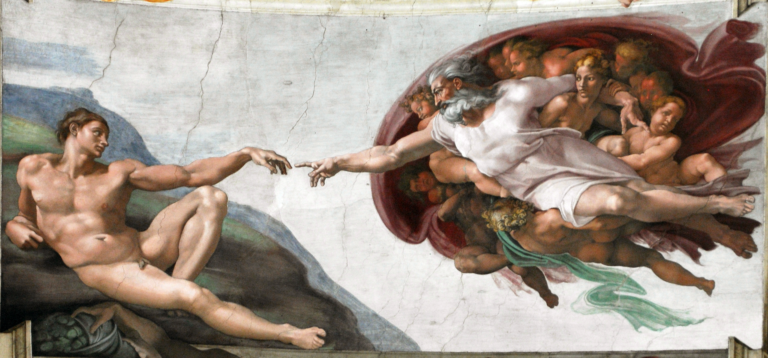
In a highly charged dispute, we may behave nicely but still sin in our thoughts and attitudes. The Spaniel and I examine the moral hazards of pride, grandstanding, manipulation, and judgmentalism in the context of the creation debate.

In this installment, the Spaniel makes his first appearance as we go two-on-one with the inimitable Richard Dawkins talking about life, the universe, and faith. Kind of.
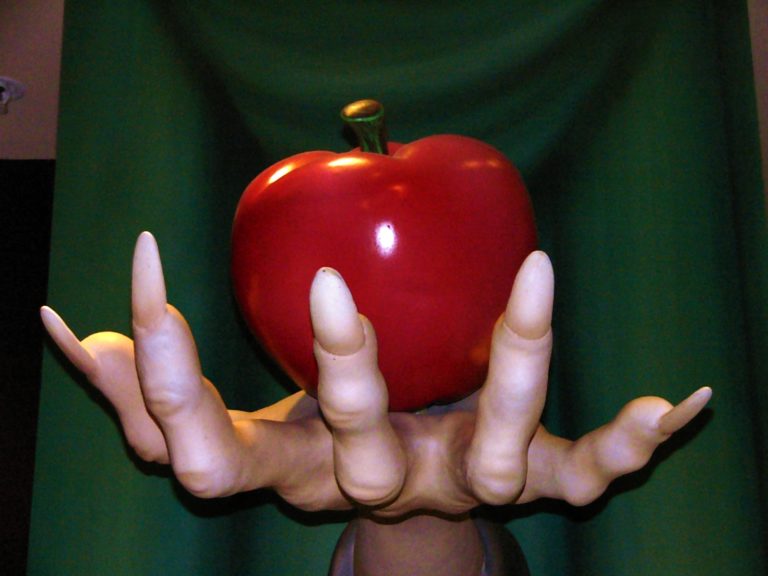
Pride: What is it? Why should we care? From Solomon to Scientific American, agreement reigns.
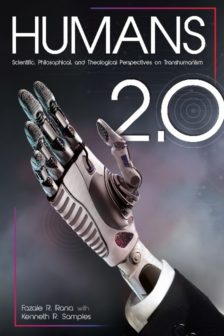
We yearn for a day when all disease is eradicated, human power and intelligence transcend our feeble frames, and death is vanquished.
The second coming of Christ? Or an attainable goal of technology? For some it is the latter.
In Humans 2.0, biochemist Fazale Rana and philosopher-theologian Kenneth Samples offer us a glimpse into the current state of human-enhancing technology with a balanced and thoughtful consideration of the philosophical and moral implications.
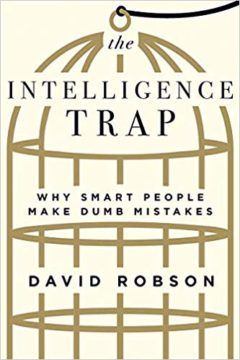
Western society reveres intelligence, or at least pretends to. Yet no one thinks to ask, “does it matter?” According to this fresh and fascinating analysis from British science writer David Robson, probably not. In fact, it could be a liability.
The difference between intelligence and wisdom.
Are humans really rational, or do other factors determine belief?
Research on human decision making has demonstrated that we are heavily influenced by nonrational factors that can lead to faulty decisions and incorrect belief (or unbelief).

Refuting Richard Dawkins in three easy steps: How Dawkins‘s argument for the improbability of God violates basic rules of logic.